Nuclear Power Takes Center Stage: Key Insights from IAEA Director-General's Interviews at COP28 Climate Summit
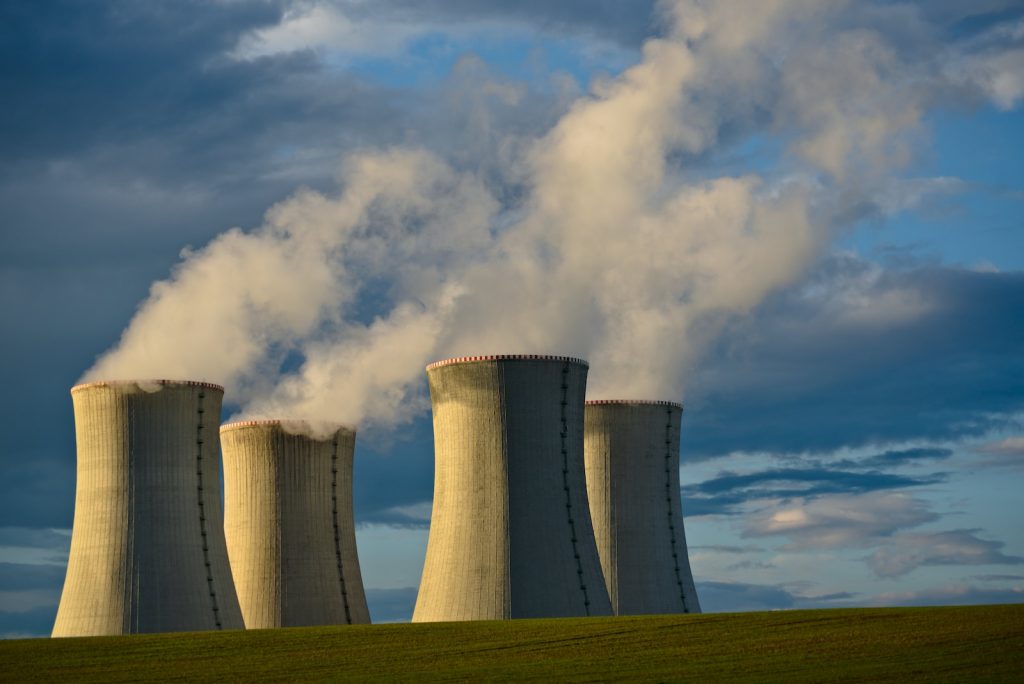
Main points from the IAEA Director-General's Interviews at the COP28 Climate Summit
During the COP28 climate summit, Rafael Mariano Grossi, Director-General of the International Atomic Energy Agency (IAEA), expressed that the global community anticipates a growing interest in nuclear energy as a potential solution to climate change. This interest aligns with the ever-increasing demand for electricity and the need for sustainable, non-greenhouse gases emitting power sources.
In recent years, and specifically at the COP28 summit, there has been a significant shift in perception towards atomic power. Grossi revealed that a major nuclear agreement was on the horizon, indicating an important evolution in general attitudes away from past taboos, particularly in the wake of nuclear accidents like Chornobyl and Three Mile Island.
The IAEA chief shared that he had discussed with French President Emmanuel Macron about a significant public commitment to bolster nuclear energy. Macron is set to announce public endorsement for nuclear energy, marking a momentous shift in policy and initiatives around this generally contentious issue.
The acceptance and subsequent inclusion of nuclear power in the climate talks epitomize the shift from past taboos linked to nuclear energy. Grossi believes such moves could facilitate access to nuclear energy for more nations, thereby creating a more concerted effort to combat climate change.
Challenge of Monitoring Nuclear Programs in Volatile Regions
Despite the increasing interest in nuclear energy, Grossi conceded that overseeing nuclear programs is a constant challenge, especially in volatile regions like Iran. This comes in the aftermath of the collapse of Iran's 2015 nuclear deal, which has led to a rather complex and unsafe situation concerning nuclear weapons acquisition.
The Director-General expressed concerns about a possible "domino effect," where more countries might seek to possess nuclear weapons, leading to a dangerous trend. Grossi is particularly worried about the situation in the Middle East, as the region's volatility could exacerbate if countries added nuclear weaponry to the mix. This, he said, necessitates a widespread approach and international consensus to prevent the proliferation of nuclear arms.
Further issues arise from Iran's contentious stance towards the IAEA. The IAEA has faced restricted access to Iran's nuclear program and centrifuge manufacturing plant since February 2021, adding to the agency's challenges in ensuring nuclear nonproliferation.
Grossi's Observations and Comments on Global Nuclear Scenario
IAEA's Director-General Rafael Mariano Grossi provided insightful comments and observations about the global nuclear environment. Notably, this includes Iran's recent actions, where it withdrew permission from veteran IAEA inspectors. This move impedes the IAEA's ability to effectively monitor Iran's nuclear program and ensure its compliance with international nuclear standards. The action reflects a growing strain in the relationship between Iran and the IAEA following the collapse of the 2015 nuclear agreement, a circumstance that complicates global nuclear governance.
Grossi also commented on the recent increase in the production of nuclear weapons by China, Russia, and the United States. The ramped-up production and modernization of nuclear arsenals by these nations indicate heightened international tensions. The nuclear build-up, coupled with the concerning state of nuclear disarmament and nonproliferation treaties, raises potential risks for international peace and security. Grossi's comments underscore the necessity for measures to prevent further escalation and the urgent need for continued dialogue and diplomacy to enhance nuclear security.
Finally, Grossi addressed the potential dangers posed by the ongoing conflict in Ukraine to the country's network of nuclear reactors. Amid escalating geopolitical tensions, the stability and security of these facilities are of utmost importance to prevent any nuclear accidents. The repercussions of any mishandling could be severe and long-lasting, both for Ukraine and the international community, given the transboundary impact of nuclear disasters. Hence, Grossi's remarks underscore the urgent need for global cooperation and effective de-escalation strategies on many fronts concerning nuclear energy.
Controversies and Challenges Surrounding Nuclear Power
Despite gaining recognition as a potential solution to climate change and a source for meeting rising energy demands, nuclear power faces significant opposition and challenges. A notable issue pertains to environmental concerns. Many environmentalists argue vehemently against nuclear power, mainly due to the waste it creates. Disposing and managing such waste is a considerable challenge that mitigates the overall appeal of nuclear energy despite its low greenhouse gas emissions.
Nuclear power also raises significant security fears, exemplified by recent events in Japan. The country's decision to dispose of wastewater from the Fukushima nuclear plant into the Pacific Ocean sparked global outrage. It exposed the persistent fear around nuclear disasters and their wide-reaching, long-lasting impact. Such incidents spotlight the potentially disastrous consequences of inadequate nuclear waste management and intensify demands for stringent safety standards in nuclear power generation.
In terms of nuclear weapons proliferation, there are persistent calls for countries like Israel to join the Nuclear Nonproliferation Treaty and permit IAEA inspections at key nuclear sites. This has become a focal point in international relations and nonproliferation efforts, reinforcing concerns about the transparency and accountability of nuclear activity. The situation is crucial given the growing potential for nuclear energy to become accessible to more nations, further emphasizing the need for robust and enforceable international nuclear agreements.
IAEA Director-General Grossi's remarks at the COP28 highlight that while nuclear energy is increasingly seen as a solution to our climate crisis, it also presents us with profound challenges and controversies that demand global consensus and effective regulatory frameworks.