Securing Your iPhone: Apple's Latest Efforts Against Theft and Fraud
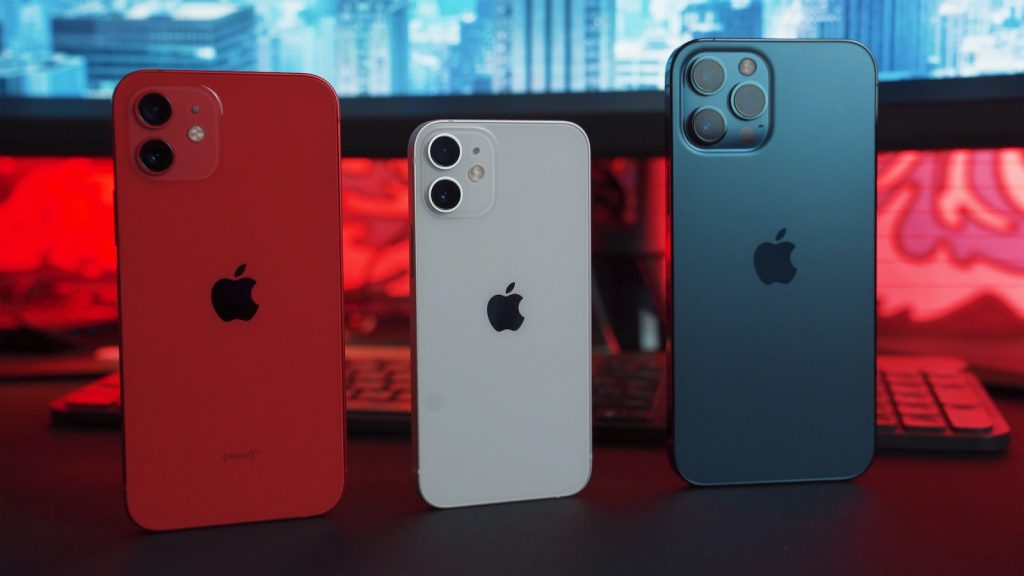
Apple's Efforts on Enhancing iPhone Security
On the back of recent concerns revolving around iPhone thefts, Apple has stepped up its game to amplify the security measures for its users. In an ongoing effort to make iPhones theft-proof and secure sensitive user data, Apple has kick-started testing a new feature named Stolen Device Protection for iPhone. This work forms part of the newly unveiled iOS 17.3 beta version.
Testing new Stolen Device Protection Feature
An in-depth report by the WSJ elucidated the rising threat of iPhone thefts: the attackers often observe victims entering their passcodes and subsequently stealing their iPhones. This gives them direct access to users' Apple ID passwords, which is then used to lock the original owners out of their accounts and, in some cases, even their iCloud backups. The new feature is Apple's innovative answer to this escalating issue.
The Stolen Device Protection feature is currently available for beta users who can opt to test it out. Should the device be stolen, the user's sensitive information, such as iCloud keychain passwords and Apple Card access, is only accessible using Touch ID or Face ID. The purpose is to add an extra layer of security to iPhones to help protect against such clever tactics by thieves.
Roll out of iOS 17.3 Beta
The iOS 17.3 beta update came hot on the heels of the public release of iOS 17.2. It's a pioneering development that introduces new security measures to help iPhone users protect their data and devices. As part of this early release, developers are handed the first opportunity to test these new functionalities and further enhance the stability of the software before it's rolled out to general users.
Details of the Feature: Biometric Authentication Check, Security Delay, Functionality at Familiar Locations
In addition to the biometric checks - Touch ID or Face ID to secure the phone, the Stolen Device Protection feature also implements a one-hour security delay. This works by delaying access to settings that could make the device harder to locate. This means that even if a thief were to get hold of the user's iPhone, they would have to wait for a specific period in addition to two successful biometric verifications to access these crucial settings.
Furthermore, the Stolen Device Protection feature is programmed to strengthen security measures, particularly when the iPhone is away from familiar locations such as Home. Therefore, the additional layer of security becomes particularly crucial when users are in public places where they are more vulnerable to thefts.
In a statement, Apple highlighted that this new feature brings 'a sophisticated new layer of protection.' It remains to be seen how this new security setup will mark a substantial difference in curbing iPhone thefts and protecting user data.
Rise in iPhone Thefts and Financial Fraud
As technology continues to advance rapidly, iPhone thefts and associated financial frauds have been seeing a worrying increase. Apple, renowned for its user-focused designs and security measures, has begun addressing these concerns regarding iPhone thefts. The problem has grown to include theft of physical devices and financial fraud as a direct result of the stolen phones.
Complaints of Large Amounts of Money Transferred from iPhone Owners' Accounts After Theft
What initially began as property theft has now escalated into full-fledged financial fraud. Victims are reporting large amounts of money being transferred out of their bank accounts once their iPhones are stolen. The emerging trend is worrying due to the rapid escalation of events post-theft. The criminals swiftly move through a choreographed sequence of actions to exploit the victim's financial details and swipe money from their accounts, causing significant material and psychological trauma.
Involvement of Crime Rings Observing or Recording Passcodes Before Theft
As noted by the Wall Street Journal, these aren't isolated acts of robbery. The operations often involve well-coordinated crime rings that observe or record passcodes before striking. This happens in numerous cities, including New York, Chicago, New Orleans, and Minneapolis. The criminals watch iPhone owners input their passcodes, subsequently steal their devices, and move on to exploit those stolen passcodes to their advantage.
Use of Stolen Passcodes to Control Victims' Apple ID and Financial Accounts
The stolen iPhones become the gateway to a victim's digital life. As criminals get their hands on the victim's passcodes through observation or recording, they can subsequently control the victims' Apple IDs. Controlling the Apple ID gives these malefactors a significant advantage. It allows them to lock victims out of their devices, access their saved passwords in the iCloud keychain, and take control of financial accounts. The illicit activities also include stealing money from users' accounts and locking them out of their iCloud-stored photos and videos. With the stolen passcodes, these criminals manage to infiltrate victims' entire digital ecosystem, leading to a spiraling set of cybercrimes.
In the face of this ever-evolving threat landscape, Apple's introduction of the Stolen Device Protection feature in the iOS 17.3 beta is a welcome security enhancement, marking the tech giant's timely response to the rising menace of iPhone thefts and their financial ramifications.
Testing and Implementation of the Security Feature
As a proactive response to the increasing threat of iPhone thefts and the financial fraud associated with them, Stolen Device Protection nests among several other enhancements designed to elevate user experience and security levels on the iPhone.
Enabling the Feature from the Face ID & Passcode Screen in Settings
Users seeking to leverage this new security feature can easily find and activate it on the iPhone. All you have to do is navigate to Settings, select Face ID & Passcode, and enable the Stolen Device Protection. Once activated, the phone will limit what can be done with just the six-digit passcode when the device is not at a familiar location such as your home or workplace.
This auxiliary layer of security aims to make it more challenging for thieves to access critical information on your iPhone or lock you out of your Apple ID. Hence, with this new feature in play, even if criminals manage to steal your device and know your passcode, their access to sensitive information is still dramatically limited.
As developers continue to test the iOS 17.3 beta, expect to see Stolen Device Protection among the critical security measures set to revolutionize iPhone security against theft and unauthorized access. In a digital ecosystem growing ever more complex, Apple's efforts to safeguard its users' data and privacy stand at the epicenter of its technological advancement.
Broader Cybersecurity Trends and News
In cybersecurity, the pace of change is relentless, with security professionals constantly needing to adapt and innovate to stay ahead of the shifting threat landscape. From Apple's continual improvements to iPhone security to the unveiling of cutting-edge threat models, let's delve into a few significant recent advancements and appointments in cybersecurity.
Rapid Security Response Patches by Apple
In line with its enduring commitment to user data security, Apple has responded quickly to reports of vulnerabilities within its devices. A key example of this commitment is the recent announcement of their Stolen Device Protection Feature for iPhones as part of their iOS 17.3 beta testing. The quick turn-around of these patches underscores Apple's commitment to security, particularly in the face of rising iPhone thefts and related financial frauds.